What We Offer

Our services

Clear scope, honest deliverables, and a process designed to reduce guesswork. Here's what we offer and what to expect from each.

The process behind every project

We follow the same arc regardless of project type — it just looks different depending on what's being built.

1

Discovery & alignment

We start with conversation — about what you do, who you're for, and what's not working currently. This often takes longer than clients expect, and it's worth it. The brief we write at the end of discovery is the foundation everything builds on.

2

Research & positioning

We look at your competitive landscape, audit your existing materials, and develop a clear picture of where you sit and where there's meaningful space. This shapes every visual decision that follows.

3

Concept development

We present two or three distinct directions — not ten variations of the same idea. Each direction represents a different answer to the design problem, and we explain the thinking behind each one clearly.

4

Refinement & iteration

Once a direction is chosen, we refine. Feedback rounds are structured and focused — we ask specific questions rather than leaving reviews open-ended. This produces better feedback and faster resolution.

5

Delivery & documentation

Final deliverables come with documentation — guidelines, specs, file organization. We want you to be able to use what we've made without needing to call us every time a question comes up.

Brand Identity

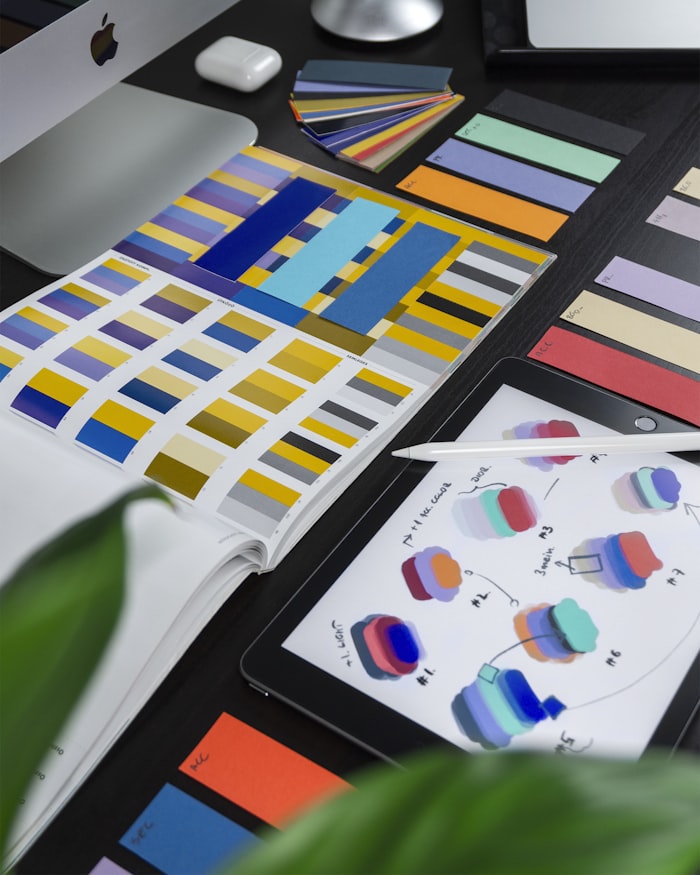
A brand identity system encompasses every visual element that represents your organization — not just the logo. We develop systems that hold together across applications without needing constant management.

We work with organizations launching new brands, rethinking existing ones, or trying to bring consistency to visual materials that have grown without a plan. The scope varies; the approach is the same.

What's included

  • Brand strategy and positioning document
  • Logo mark and wordmark (multiple variants)
  • Color system with usage guidance
  • Typography system (hierarchy and pairing)
  • Icon and illustration style direction
  • Application examples (business cards, letterhead, digital)
  • Brand guidelines PDF
  • Source files in all formats

This works well if:

You're starting something new, rebranding with clear intent, or trying to create consistency across materials that have drifted. You're willing to invest time in discovery.

This isn't the right fit if:

You need a logo quickly with no strategic context, or you have a very fixed aesthetic in mind and just need execution.

Brand identity work influences how your organization is perceived, but it does not guarantee any specific business outcomes. Results vary based on factors outside of design.
Brand identity design — color swatches, typography, logo Brand identity in use on packaging
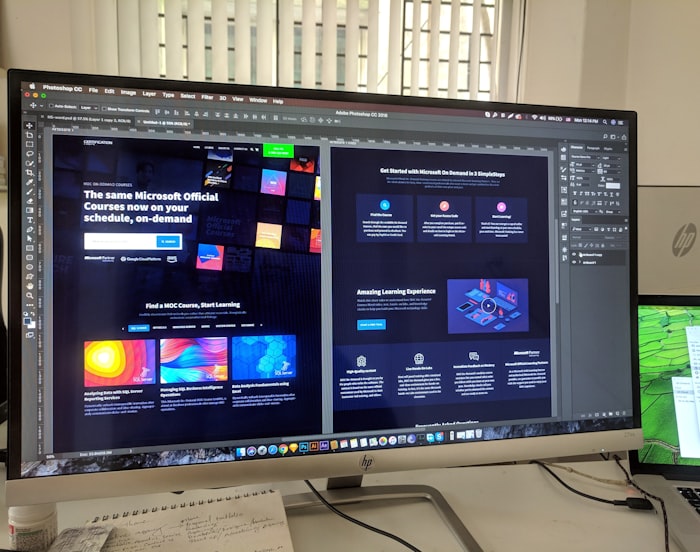
Web design wireframes on screen Figma design file showing web components

Web Design

We design websites with usability as the starting point, not an afterthought. That means thinking about information architecture, content flow, and how someone actually navigates before we make any visual decisions.

Our web design deliverable is a complete Figma file — fully annotated, with component specs and a developer handoff document. We don't build sites ourselves, but we can recommend trusted developers and support the handoff closely.

What's included

  • Sitemap and information architecture
  • Content structure and wireframes
  • Full visual design in Figma (all pages)
  • Mobile and tablet responsive layouts
  • Interaction states and micro-animation specs
  • Developer handoff documentation
  • Image sourcing and direction

This works well if:

You have (or are getting) a developer, and you need a designer who can think through both the structure and the visual language. You want something that looks considered, not templated.

Web design affects how your site is perceived and how easy it is to use. It does not guarantee specific traffic, engagement, or commercial outcomes.

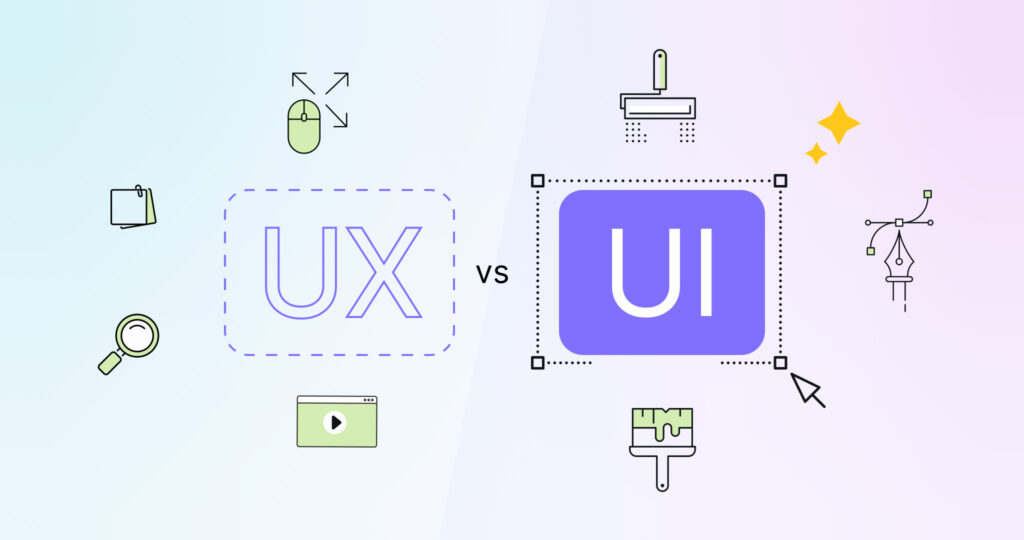
UI/UX Systems

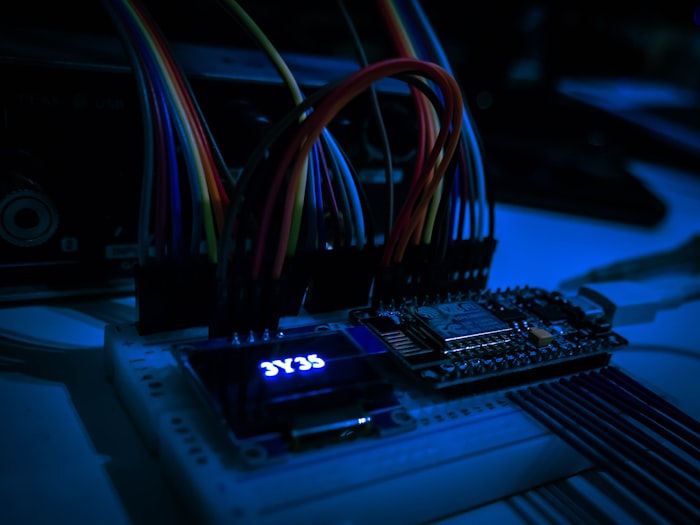
For digital products — applications, SaaS platforms, internal tools — we build design systems. Not one-off screens, but a full component library and interaction language that your team can use to make consistent decisions going forward.

This kind of work takes longer and requires more back-and-forth than a typical project. We run sessions with your product and engineering teams to understand how the system needs to work in practice, not just how it looks in a prototype.

What's included

  • UX audit of existing product
  • User flow mapping and journey documentation
  • Component library in Figma (with variants and states)
  • Design token system (color, typography, spacing)
  • Interaction and motion specifications
  • Accessibility notes and guidelines
  • Documentation and usage examples

This works well if:

You have a digital product with a growing team and need to stop making the same decisions over and over. You're willing to invest in infrastructure rather than just screens.

A design system improves consistency and can speed up development cycles. Implementation quality and team adoption affect outcomes significantly.

UI design system components on screen
Editorial visual direction and layout

Visual Direction

Some projects don't fit neatly into identity or web. Visual direction covers art direction for campaigns, editorial design, photography briefs, and the strategic oversight of how a visual story gets told across multiple touchpoints.

We work as a creative partner — sitting alongside your team or external producers to make sure every visual element is making the same argument. This is especially useful for brands launching something significant or making a public pivot.

What's included

  • Visual direction document and moodboard
  • Photography and illustration brief
  • Art direction for shoots or content production
  • Layout and editorial design
  • Campaign visual language
  • Review and quality control across deliverables

Visual direction shapes the look and coherence of a project. Outcomes depend on implementation quality, budget, and factors beyond the scope of design.

Tell us what you're working on

We'll tell you honestly whether it sounds like a good fit — and what the process would look like if it is.

Start a Conversation